Feeding a preterm baby can be challenging and requires special care. Preterm babies are born before 37 weeks of gestation and have different nutritional needs than full-term babies. Here are some tips for feeding your preterm baby:
- Starting feeds early: Preterm babies need NICU care and are separated from their mothers. Mothers, however, need support and motivation to express breast milk, which can be provided to the babies via nasogastric or orogastric tubes. Skin-to-skin care by mother helps thermoregulation and facilitates weight gain in these babies.
- Total parenteral nutrition: Until full feeds are established, preterm babies need additional nutrition intravenously — glucose, proteins, lipids, electrolytes, calcium and micronutrients. Special preparations of amino acids and lipids are available.
- Breast milk: Breast milk provides the same advantages to the preterm infant as to the full-term infant. Early immune system development is particularly important for the preterm infant to help protect against infection, including NEC, and the contributions of breast milk to immune development are well confirmed.
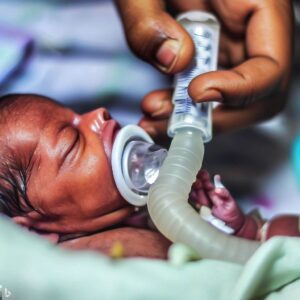
However, since the preterm baby needs to achieve a ‘catch-up’ growth hence mothers milk needs to be fortified to provide addition protein and calories. Fortifiers such as NiQu HMoF as now available which provide not only the right amount of protein and calories, but also critical factors for boosting immunity development and brain growth, such as HMOs (Human Milk Oligosaccharides) and Lactoferrin. (https://neowinnbiotech.com/)
- Skin-to-skin care: Skin-to-skin care by mother helps thermoregulation and facilitates weight gain in these babies.
- Nutritional supplements: Preterm infants may require additional nutritional supplements such as iron, calcium, and vitamin D.
It is important to follow your baby’s doctor’s advice as each baby is unique. Feeding premature babies should be a positive experience. Respect cues from the baby and refrain from force-feeding.